
Home
A front door that belongs to you. Modest private homes, privacy, family life, and enough land around them to breathe.
Watchfire exists to build what we pray we had during the crisis: a home, useful work, dependable neighbors, family, shared capability, and a reason to be needed.
Neighbors, not clients. Purpose, not pit stops.There are organizations that help veterans survive a crisis. They provide emergency housing, treatment, financial help, benefits advocacy, and other critical support. That work saves lives.
But there is a gap after survival. A veteran can have a roof, healthcare, and a disability check—and still wake up without meaningful work, dependable neighbors, a reason to be needed, or anyone who would notice if the porch light never came on.
Loneliness and isolation do not disappear because the paperwork is finished. Communities are fragmented. Families are often scattered or broken. Too many people reach the hard years with nobody close enough to notice they are slipping away.
Veteran suicide remains an urgent national problem. Watchfire is not treatment, and we will never pretend that a neighborhood can replace professional care. But we can refuse to accept a model of veteran life where somebody can disappear for days and nobody notices.
No brother is left without a light.
Watchfire is not institutional living dressed up with nicer landscaping. The point is ordinary life—with enough shared strength around it that nobody has to do every hard thing alone.
A front door that belongs to you. Modest private homes, privacy, family life, and enough land around them to breathe.
Room to build, grow, repair, create, teach, run a business, work remotely, or contribute according to ability.
Workshops, tools, equipment, transportation, food-production spaces, bulk purchasing, and infrastructure become dramatically more useful when shared.
Not mandatory group therapy. Just people living close enough—and caring enough—to notice when someone disappears.
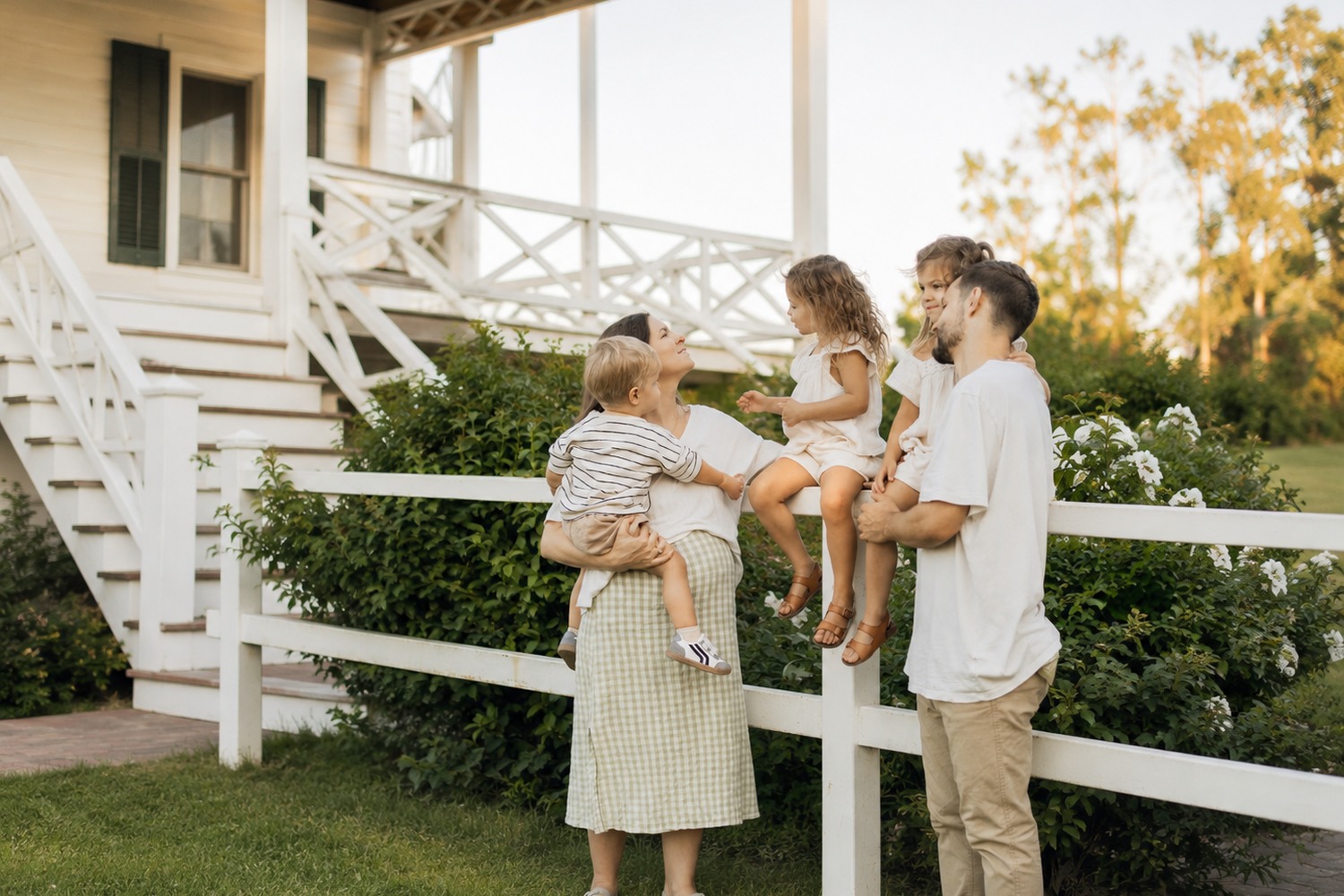
Watchfire is meant to feel like a good rural neighborhood, not a command climate. There should be enough common rules to protect the community and each other—without turning adults back into residents of an institution.
Watchfire is not supposed to end when somebody gets older, gets sick, can no longer work the way he used to, or needs more help than he once did. A real community has room for the strong years and the weak ones.
That means thinking about shared support as people age, help getting to appointments, meals when somebody is down, neighbors who notice changes, and ways to coordinate appropriate professional care without automatically separating a person from the people who know him.
It also means confronting something many people are quietly afraid of: growing old with no family close by and eventually dying alone in a nursing home because there is simply nobody left to help carry the load. Watchfire cannot promise that life will never be hard. It can build a place where fewer people have to face the hard parts entirely alone.
The long-term ownership structure is still being designed, but the principle matters now: a Watchfire home should be part of a living community, not merely an asset that disappears into speculation when somebody dies.
We are working toward a model that can let a resident pass his home to an eligible direct blood relative—or, if he chooses and the legal structure allows it, return it to the community so another veteran can take his place by the fire.
The house remains useful. The community remains whole. Somebody else gets a front door.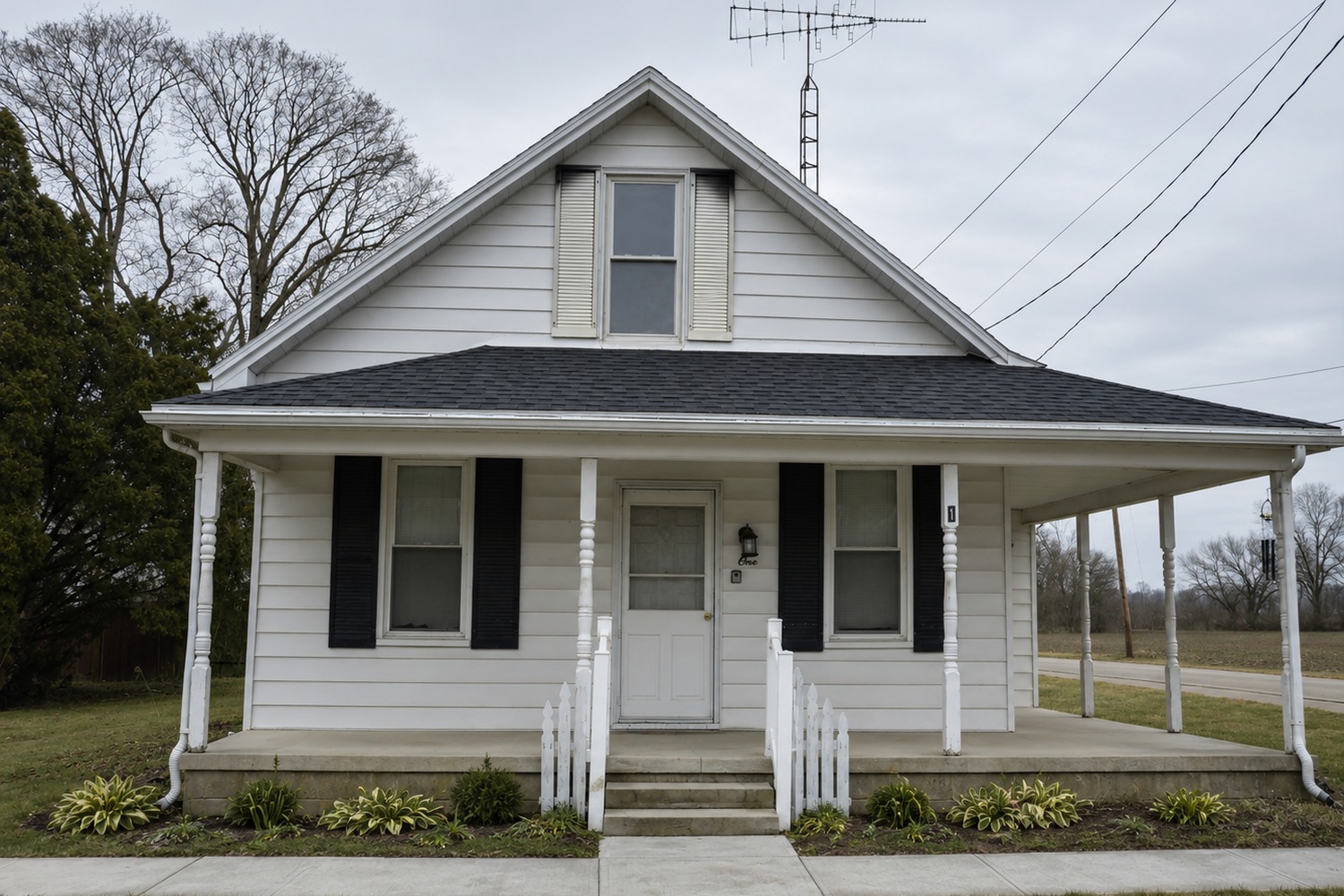
Watchfire is veteran-centered rural communities built around home, work, shared resources, family, and belonging. We are starting with the legal foundation now so we can build the physical one later.